


Where Supply Is Returning: What the Sunbelt Inventory Reset Means for Investors and Builders
Where Supply Is Returning: What the Sunbelt Inventory Reset Means for Investors and Builders
National home prices are barely moving. The latest Anchor Loans U.S. Housing Monitor shows U.S. prices up just 1.0% on a three-month annualized basis and essentially flat over the past year. That flat line hides a market that is splitting in two. Northeast and Midwest markets are tight and still appreciating. Texas, Florida, Arizona and Colorado are carrying elevated inventory and softer pricing.
The most important takeaway for operators is this: the national housing shortage is real, but it is no longer evenly distributed. In much of the Sunbelt, project returns now depend on the inventory you will sell into, not the shortage you read about in headlines.
The Softness Has a Geography
Over the past three months, annualized price growth was negative in Las Vegas (-3.4%), Austin (-0.4%), Phoenix (-1.7%), Charlotte (-2.2%), Atlanta (-0.8%); Tampa (+0.1%) was essentially flat. At the state level, Nevada, Arizona and North Carolina were among the weakest performers.
These are modest moves, not dislocations. What they signal is that appreciation has stopped doing the heavy lifting on Sunbelt deals. A flip or spec build underwritten on trailing price growth carries exit risk that a deal underwritten on today’s comps does not.
The data also shows why the state is the wrong unit of analysis. Florida has elevated inventory, yet Miami posted 3.3% annualized growth while Tampa was nearly flat. Market selection in this cycle happens at the metro and submarket level.
Builders Are Still Adding Supply Where Prices Are Softest
Single-family permits over the past six months are running 54% above their 1994-2001 average in Texas, and above that benchmark in Florida (+11%), North Carolina (+10%) and Tennessee (+5%). Nationally, permits are 22% below it, and Northeast states such as Massachusetts and New York are 57% to 65% below.
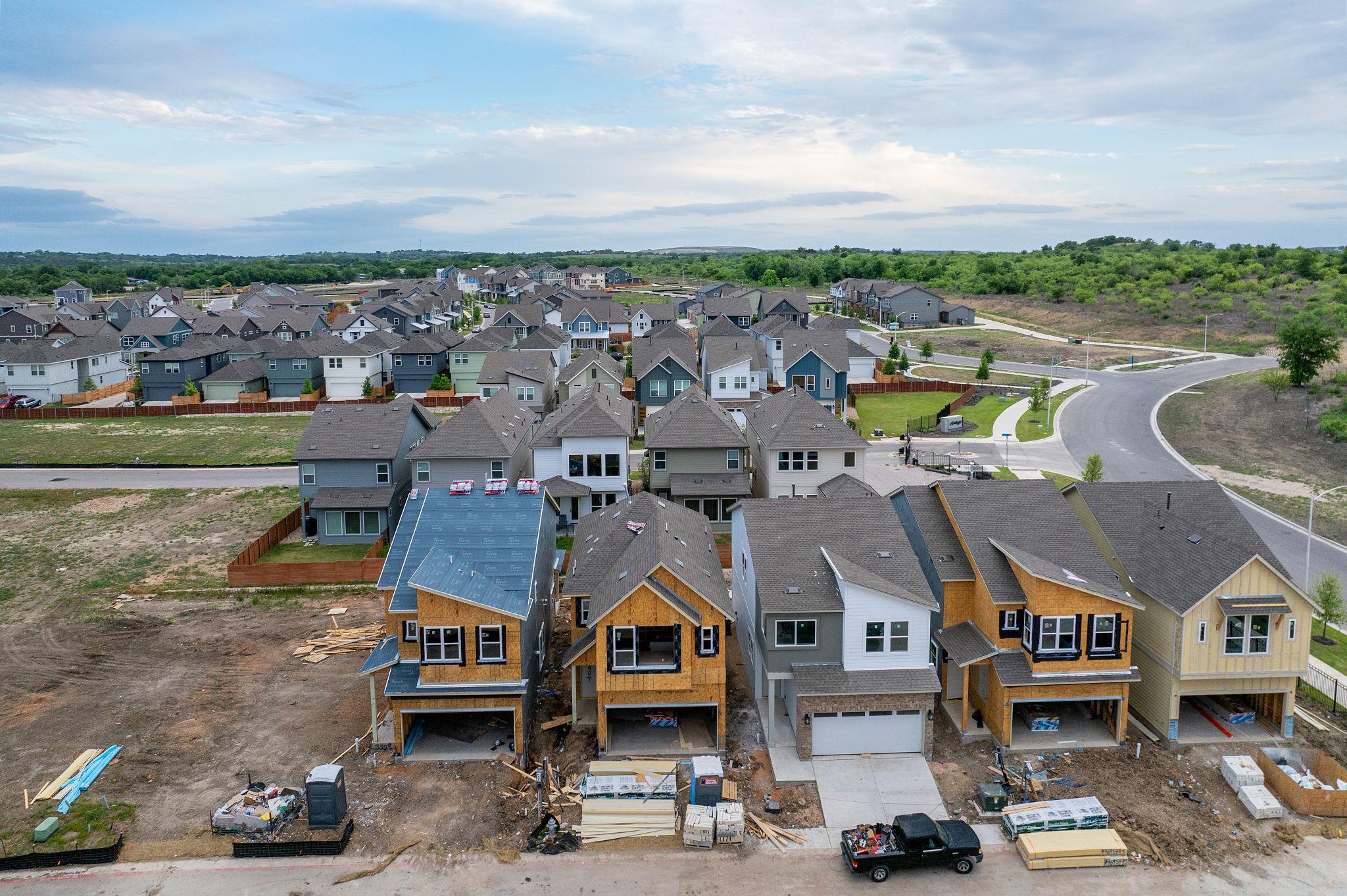
That matters because new construction competes directly with renovated resale. In Texas especially, a flipper’s buyer can often choose a new home down the street. Builder sentiment in the South sits at 27, compared with 20 in the West, the lowest of any region. Builders who are cautious about future sales and still producing at volume have every reason to prioritize absorption over price.
For renovators, the competitive set now includes new-build product. Price renovated homes against the nearest new-construction alternative, not just resale comps, and put the finish budget where buyers can see a clear advantage over a new home. For builders, it argues for phased releases, starts matched to proven absorption and disciplined construction loan draws over speculative volume.
Nevada and Arizona Tell a Different Story
Nevada and Arizona rank among the softest price markets, even though single-family permitting remains below historical benchmarks. Nevada permits are 65% below their 1994–2001 average and Arizona’s are 35% below. Affordability pressures may be contributing to that weakness alongside local supply conditions. Median mortgage payments have doubled since 2021, and Western metros such as San Diego score as far less affordable than the national average on NAHB’s cost of housing index.
In these markets, price band discipline matters more than product volume. The renovated home that sells is the one priced inside what local buyers can finance.
Normalizing Is Not the Same as Oversupplied
The national context keeps the Sunbelt reset in perspective. Single-family inventory is roughly 1.4 million homes, still well below the 1984-2019 median of about 2.1 million. Homeowner vacancy remains below pre-pandemic levels. Median days on market is about 49, still faster than pre-COVID, and roughly 23% of homes sell above list.
Most homeowners also hold mortgage rates well below the roughly 7.3% 30-year rate recorded in October 2026, which keeps resale turnover low. Single-family starts per capita remain far below their historical median, and Anchor estimates the U.S. is undersupplied by several million units relative to core demand. The structural deficit has not gone away. The Sunbelt is moving back toward balance from an extremely tight starting point, and balance gives disciplined buyers negotiating room they have not had in years.
What This Means for Operators
Fix-and-flip investors: Underwrite ARVs to current comps with flat or modestly lower pricing in softening metros, and build longer marketing time into the hold. More inventory means more room to negotiate the purchase price, which is where margin is protected. Our fix and flip financing is built for operators buying with that discipline.
Builders: Match starts to absorption, favor smaller phases and keep land positions flexible. Our post on builder land strategy covers how capital structure supports that.
Renovation-focused investors: The median U.S. home is now 42 years old, and remodeling sentiment remains favorable. Rising Sunbelt inventory may create more opportunities to acquire dated, deferred-maintenance homes at negotiable prices. That is the aging housing stock opportunity in practice.
Rental investors: Multifamily units under construction have fallen from roughly 1 million at the peak to about 660,000, so less new rental supply is on the way. Softer Sunbelt for-sale pricing creates better entry points for rental portfolio investors and for build-to-rent strategies with dual exits.
Regional Opportunities and Risks
Texas presents acquisition opportunities, but new construction makes resale pricing especially competitive. Strong permitting plus softening prices in markets like Austin (see our Austin market analysis) reward buyers who negotiate hard and price against new construction.
Florida is a submarket story. Miami is still appreciating while Tampa's recent price growth is nearly flat, so the same strategy will produce different results a few hours apart.
The Carolinas and Georgia show moderate softening, with North Carolina builders still permitting above historical norms. Charlotte and Atlanta call for tighter underwriting, not retreat.
Nevada and Arizona are affordability-constrained with permitting below historical benchmarks. Las Vegas is the softest metro in the data, making current inventory, nearby new construction and local affordability especially important when underwriting resale values.
The Northeast and Midwest remain the counterweight, with tight supply and the strongest builder confidence. We covered that side of the divergence in why Northeast and Midwest markets are quietly gaining strength.
Conclusion
The Sunbelt inventory reset is not a reason to leave these markets. It is a reason to operate in them differently. Appreciation is no longer covering underwriting gaps, new construction is a real competitor in several states and pricing power has shifted toward buyers who show up with capital and discipline. Underneath it all, the national housing stock is aging and undersupplied, which keeps long-term renovation and construction demand intact. The operators who scale through this phase will be the ones who choose submarkets carefully, underwrite to today’s comps and protect margin at acquisition.
Frequently Asked Questions
Is the Sunbelt housing market oversupplied in 2026?
Not on a national basis. Inventory is elevated in Texas, Florida, Arizona and Colorado, but U.S. single-family inventory is still about 1.4 million homes, well below the long-run median of roughly 2.1 million. The Sunbelt is normalizing from very tight conditions rather than entering a structural glut.
Which metros have the weakest home price growth right now?
Based on three-month annualized data through September 2026, Las Vegas (-3.4%), Charlotte (-2.2%), Phoenix (-1.7%) and Atlanta (-0.8%) posted the softest price growth among the metros tracked. New York (5.4%), San Francisco (5.3%) and Miami (3.3%) were the strongest.
Why are builders in Texas still building if prices are softening?
Texas single-family permits are running 54% above their 1994-2001 average, the strongest of any state tracked. Builder sentiment in the South remains cautious, which suggests builders are focused on moving homes rather than holding price. For flippers, that means new construction is part of the competitive set at exit.
How should fix-and-flip investors adjust underwriting in softening markets?
Use current comps rather than trailing appreciation, assume flat or modestly lower resale values and allow for longer days on market. Price the finished home against nearby new construction, and focus on negotiating a stronger purchase price, since rising inventory gives buyers more room to do that.
Is mortgage rate lock-in still limiting housing supply?
Yes. Most homeowners hold mortgages with rates well below the roughly 7.3% 30-year rate recorded in October 2026, which discourages selling and keeps existing home sales below pre-COVID levels. That lock-in continues to support tight supply nationally, even as some Sunbelt markets see inventory rise.
What does the multifamily slowdown mean for single-family rental investors?
Multifamily units under construction have fallen from about 1 million at their peak to roughly 660,000, so fewer new rental units are on the way. Combined with softer for-sale pricing in parts of the Sunbelt, that creates a more favorable setup for acquiring single-family rentals and build-to-rent projects.

Related Posts
All Posts

